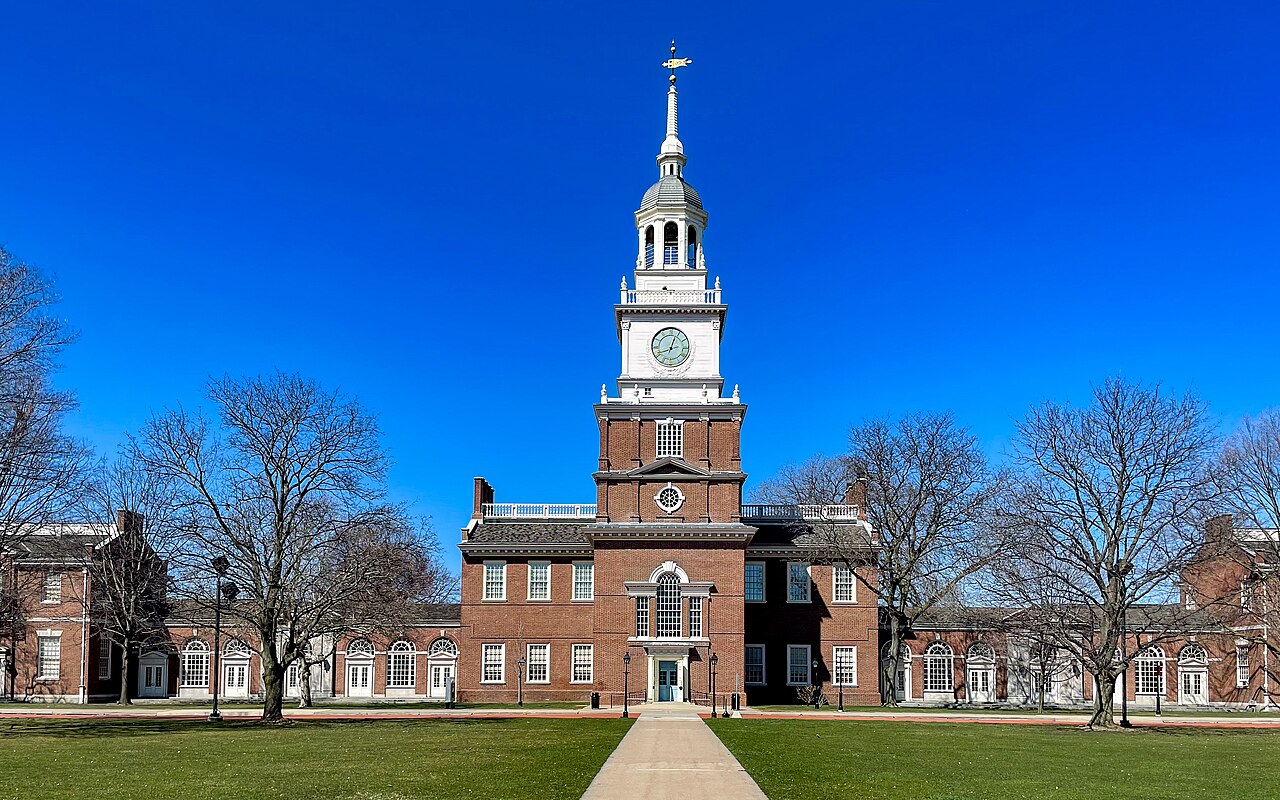
Dearborn's Enduring Legacy: The Henry Ford & Greenfield Village
Nestled in the heart of Dearborn, Michigan, lies a captivating testament to American ingenuity, innovation, and perseverance: The Henry Ford & Greenfield Village. More than just a collection of artifacts, this sprawling indoor and outdoor museum complex stands as a monumental preserve tourist spot, inviting millions each year to journey through the pivotal moments that shaped the United States. It's here that the past is not merely observed but experienced, offering a vibrant, tangible connection to the stories, inventions, and individuals who forged the modern world.
Dearborn itself is a city steeped in rich history and cultural significance, often recognized as the birthplace of the automotive industry. It's a place where the legacy of American innovators is palpable, and its historic landmarks provide a compelling narrative of the region's evolution. Among these, The Henry Ford and Greenfield Village shine as beacons of heritage conservation, dedicated to safeguarding our collective memories and inspiring future generations. Whether you're a history enthusiast, a curious traveler, or a local resident eager to explore your hometown, these sites promise to educate, inspire, and leave a lasting impression.
A Visionary's Dream: The Genesis of a Historic Complex
The entire complex is the brainchild of Henry Ford, the automotive pioneer who understood the profound importance of preserving the past to inform the future. His vision was not merely to collect old things, but to create a living laboratory where history could breathe, where visitors could touch, hear, and feel the stories that built America. This foresight established a unique kind of preserve tourist spot, one that transcends traditional museum experiences by offering an immersive educational adventure.
Stepping Through Time: The Henry Ford Museum of American Innovation
Often simply referred to as "The Henry Ford," this impressive museum is a sprawling indoor space housing an unparalleled collection of Americana. It’s a remarkable institution dedicated to showcasing the genius and challenges of American innovation across various fields, from agriculture to industry, transportation to domestic life. It is, in essence, a grand canvas depicting the American spirit of invention and progress.
A Treasure Trove of American Innovation
The museum's exhibits are breathtaking in their scope and significance. Visitors come face-to-face with artifacts that resonate deeply within the national consciousness. Imagine standing before the very bus on which Rosa Parks refused to give up her seat, an act of defiance that ignited the Civil Rights Movement. Nearby, the limousine in which President John F. Kennedy was assassinated serves as a solemn reminder of a nation's tragedy, offering a poignant moment of reflection on a pivotal turning point in American history.
Beyond these iconic items, you'll discover the actual Wright brothers' bicycle shop, transported piece-by-piece from Dayton, Ohio, providing a humble backdrop to the dawn of flight. The evolution of American agriculture is showcased through colossal steam engines and early farm equipment, illustrating the monumental shifts in how we feed our nation. These meticulously preserved relics collectively tell a compelling story of progress, struggle, and human achievement, making The Henry Ford an indispensable preserve tourist spot for understanding our shared past.
Interactive Journeys: More Than Just Exhibits
The Henry Ford is far from a static display of historical objects. It's designed to engage and educate through immersive experiences. Exhibitions like "Heroes of the Sky" take you on an aerial journey through aviation history, featuring magnificent aircraft and the daring stories of their pilots. "Driving America" explores the profound impact of the automobile on American culture, from assembly lines to the open road, featuring a dazzling array of classic and cutting-edge vehicles. These interactive elements ensure that visitors of all ages can connect with the exhibits on a personal level, fostering curiosity and a deeper appreciation for the forces that shaped our society.
Living History Unveiled: Greenfield Village
Complementing the museum's indoor marvels is Greenfield Village, an extraordinary living history museum that literally transports visitors through 300 years of American life. This open-air experience is a masterpiece of historical preservation, featuring over 80 authentic, relocated historic structures from across the country. It's a place where the past isn't just displayed; it's re-enacted, practiced, and brought to life daily.
Immersive Experiences: Engaging with the Past
Wandering through Greenfield Village is like stepping into a time machine. You can explore the actual home of the Wright brothers, a modest dwelling where the dreams of flight were first nurtured. Visit Thomas Edison's Menlo Park laboratory, a place synonymous with invention, where you can almost hear the hum of discovery. The courthouse where Abraham Lincoln practiced law stands as a solemn monument to justice and democracy, offering a glimpse into the early career of one of America's most revered leaders.
Getting around the village is part of the charm. Guests can embark on a leisurely ride aboard a historic Model T, feeling the rumble of an early automobile, or opt for the gentle pace of a horse-drawn carriage. Costumed presenters, embodying the roles of historical figures or everyday citizens, populate the village, eager to share insights into their lives and trades. Their presence adds an unparalleled layer of authenticity, allowing for direct interaction and personalized storytelling.
Crafting History: Hands-On Learning
Greenfield Village truly excels in its hands-on approach to history. Visitors can witness traditional crafts firsthand and even participate in activities such as glassblowing, pottery making, or blacksmithing. These experiences not only demonstrate the skills of yesteryear but also impart a profound appreciation for the craftsmanship and ingenuity required for daily life in earlier centuries. From grinding flour at the mill to watching a potter at their wheel, every corner of the village offers a chance to engage directly with the past, making it an incredibly dynamic and educational preserve tourist spot.
Planning Your Visit: Tips for Exploring This Iconic Preserve Tourist Spot
To make the most of your journey into Dearborn's historic legacy, some planning is key. The Henry Ford and Greenfield Village together represent a vast complex, offering enough to explore for multiple days. For those eager to delve deeper into the city's rich past, explore more of Dearborn's Preserved Past: Explore Essential Historic Sites and Uncover Dearborn's Rich Heritage: Must-Visit Historic Gems.
- Allocate Time Wisely: Both the museum and the village are extensive. Consider dedicating a full day to each, or at least one long day with an early start if you plan to visit both in a single trip. Combo tickets are available and often more economical.
- Best Time to Visit: Spring and fall offer pleasant weather for exploring Greenfield Village. Weekdays typically have fewer crowds than weekends. During peak seasons (summer, holidays), arrive early to beat the rush.
- Comfortable Footwear: You'll be doing a lot of walking, especially in Greenfield Village. Comfortable shoes are a must.
- Beyond the Village: The Ford Rouge Factory Tour: While distinct from The Henry Ford Museum and Greenfield Village, the Ford Rouge Factory Tour offers another fascinating insight into American innovation. Located at the historic Ford Rouge Plant, this tour provides a firsthand look at modern automobile manufacturing, specifically the production of Ford F-150 trucks. It includes a walk through the Legacy Gallery, showcasing the Rouge complex's history, making it an engaging add-on for automotive enthusiasts.
- Dining Options: Both the museum and village have various dining choices, from quick snacks to full-service restaurants, catering to different tastes and budgets.
- Accessibility: The complex is largely accessible for guests with disabilities, with wheelchairs and strollers available for rent.
Why These Sites Matter: Preserving Our Collective Story
The Henry Ford & Greenfield Village are more than just attractions; they are vital institutions for understanding our past, appreciating our present, and envisioning our future. They stand as powerful examples of how to effectively preserve tourist spot for the benefit of all. By meticulously maintaining artifacts and re-creating historical environments, these sites foster an essential connection to the human stories behind grand achievements and societal shifts.
They serve as dynamic educational resources, bringing textbook history to vivid life for students and adults alike. They remind us of the ingenuity that built America, the struggles overcome, and the enduring spirit of innovation that continues to drive us forward. Henry Ford's vision created not just a museum, but a legacy—a place where history is not dead and dusty, but alive, breathing, and endlessly inspiring.
In conclusion, The Henry Ford & Greenfield Village offer an unparalleled journey through America's rich past. From the seminal moments captured within the museum's walls to the immersive, living history of the village, this Dearborn landmark is an essential destination for anyone seeking a deeper understanding of American heritage. As a premier preserve tourist spot, it brilliantly showcases the power of historical conservation to educate, entertain, and connect us all to the collective human story of innovation and resilience.